


Showing posts with label Pets. Show all posts
Showing posts with label Pets. Show all posts

Some dogs bark at things most dogs ignore. Some bark when they're frustrated. Don't yell at your dog when she barks. That may make it worse. Obedience training can help fix frustration barking. If your dog learns to sit before doing something fun like going for a walk, she learns to control her impulses. If your dog is outside all day, changing that may help compulsive barking. But you may need to work with a vet or a trainer.

When dogs are aggressive, it's usually because they're afraid or nervous. If your dog is aggressive, work with a professional trainer or your vet to learn how to teach your dog to rely on you in a healthy way. Never leave an aggressive dog alone with children or unfamiliar adults, even if you think he's not likely to hurt anyone. Muzzle him in public places, if necessary.

Any dog can bite if she feels threatened or nervous. But socializing a dog early teaches her to feel relaxed around people. Gradually expose her to different settings so she will feel safe. Spend lots of time with her so she learns to trust people. Always watch for signs that your dog is uncomfortable and then do what you can to make her feel better. Be especially careful around kids and food.

It’s natural for a dog to greet people by jumping up. But that can scare away guests! Don't give your dog attention unless he has his front paws on the ground. Then you can greet him and pet him. Or tell him to sit. Then wait until he does before petting him. It also helps to keep your greetings low key. That helps your dog learn to control his own excitement. Also, make sure you keep your dog from bothering or scaring people who aren't used to him.

Barking at the Door
To cut the barking, teach your dog a new habit. Pick a spot within sight of the door. Then teach him to lie down, and stay when you say, "Go to your spot." That will help your dog stay calm and give him something to do while he waits to be greeted. Have a friend with a treat come to the door, but only open it when your dog’s quiet. Do this enough and he’ll learn to be quiet to get the treat.
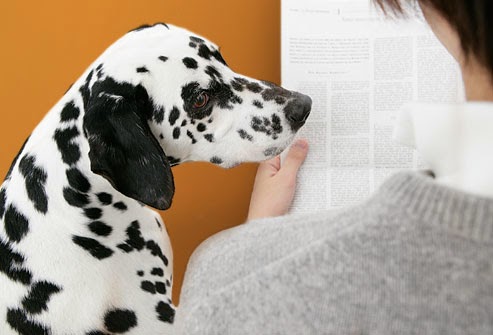
To stop it, turn your back when she whines, fold your arms and look away, or leave the room. Pet and play with her when she's not whining.

Subscribe to:
Posts (Atom)


